



Kathmandu: Artists, writers and cultural figures have called on the government to recognize the contributions of legendary Nepali creator, writer, cultural scholar and film director Chetan Karki, questioning why a statue has yet to be erected in his honor.

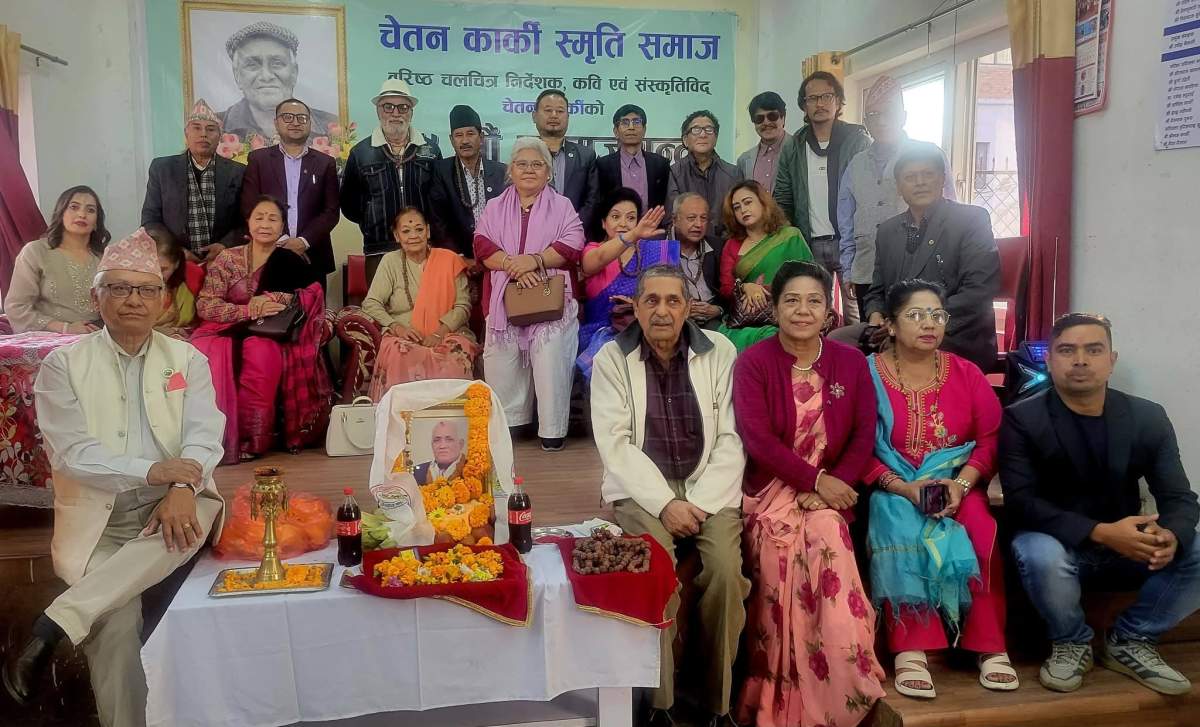
The concern was raised during a programme organized in Kathmandu on Saturday to mark the 89th birth anniversary of Karki. Participants repeatedly questioned the government’s silence, asking, “Where is Chetan Karki’s statue?”

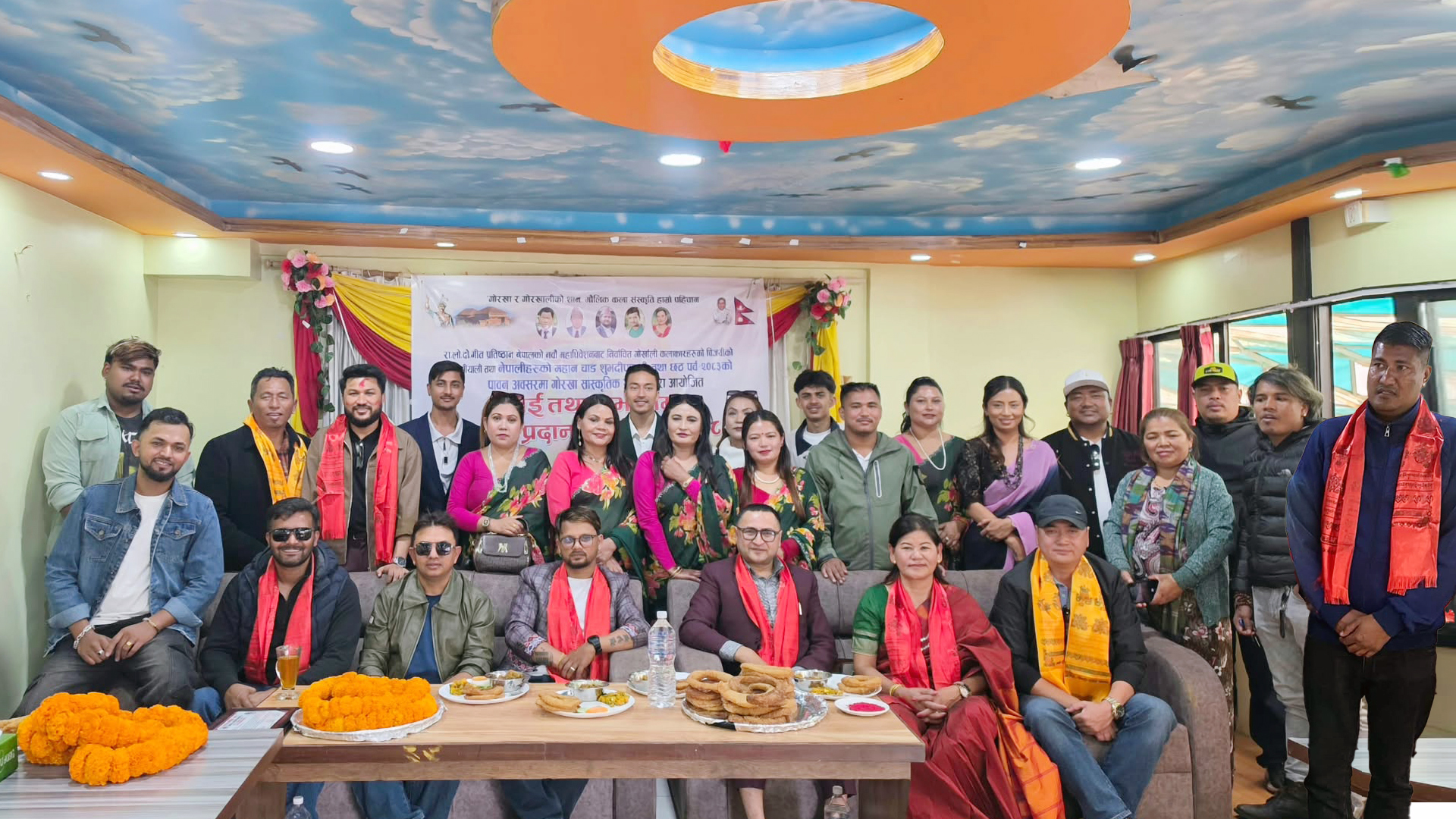
Organized by the Chetan Karki Memorial Society at the Social Development Society in Anamnagar, the event brought together prominent figures from Nepal’s music, literature, theatre and film industries. Participants expressed dissatisfaction that despite Karki’s remarkable contributions to Nepali art, literature, music and cinema, the state has yet to establish a statue or a dedicated institution in his name.

They observed that statues and institutions are often established in honour of political figures, while artists and cultural personalities who dedicate their lives to preserving national identity and culture receive comparatively little recognition.
The programme was attended by veteran actress Basundhara Bhusal as the chief guest and chaired by actress Mithila Sharma, president of the Chetan Karki Memorial Society.
Among the distinguished guests were Ganga Karki, chief patron of the society; renowned artist Madan Das Shrestha; Chait Devi, actress of Nepal’s first colour film; lyricist Shripurush Dhakal; actor Tika Pahadi; Uttam KC, president of the Film Artists Association of Nepal; Basanta Bityasi Thapa, president of the Lyricists Association of Nepal; actor Ramesh Budhathoki; senior journalist Hem Subedi; and Aaha Radio director Aakriti Subedi, among others.
During the programme, actor Tika Pahadi read out a letter written by Chetan Karki when he sent Pahadi to Mumbai, India, to pursue acting in films. Recalling Karki’s extraordinary talent, professional expertise and creative contributions, Pahadi highlighted his significant role in the development of Nepal’s film industry.
Similarly, lyricist Shripurush Dhakal stressed that Karki’s life, contributions and legacy should be taught to future generations. Describing him as an institution of knowledge in literature, art, culture and cinema, Dhakal emphasized the importance of preserving and promoting his works.
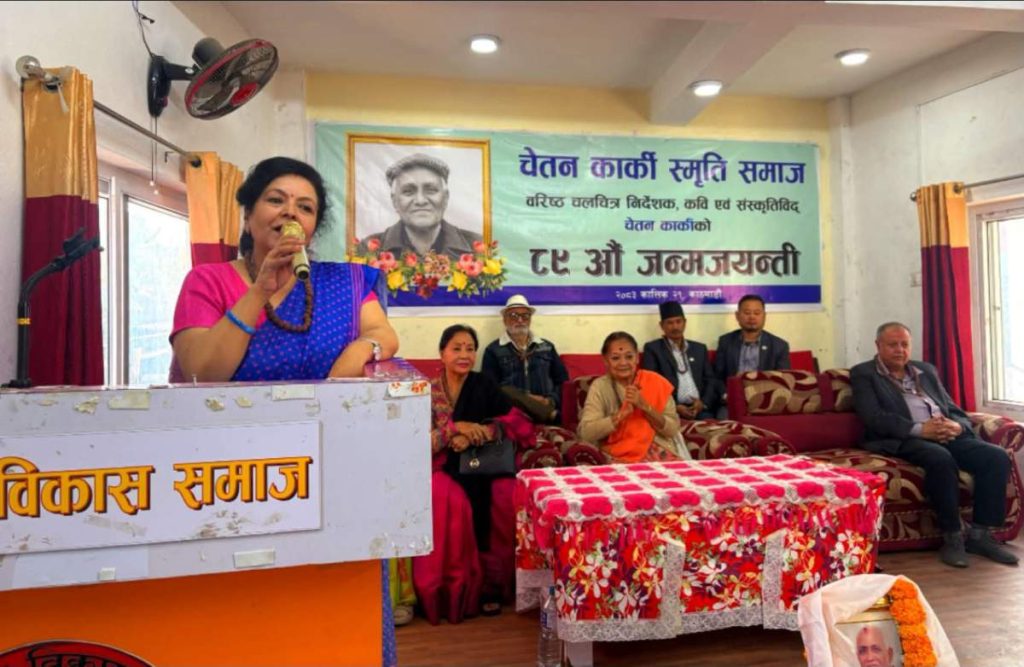
Renowned artist Madan Das Shrestha remembered Karki as a patriotic, multi-talented personality who deeply loved his country. He praised Karki’s immense contributions and recalled the many memorable moments they had shared.
Dr. Ganesh Gurung, a former member of the National Planning Commission and a fellow villager of Chetan Karki, shared memories of their early days together. He spoke about Karki’s challenging life journey and achievements in the film industry, expressing disappointment that the state had failed to adequately recognize his talent and contributions.
“Statues are built and institutions established in the names of political figures. But why does the government remain silent about building a statue of Chetan Karki, a dedicated cultural personality, filmmaker and literary figure?” Gurung questioned.
Ganga Karki, Chetan Karki’s wife and chief patron of the memorial society, compared him to Leonardo da Vinci, highlighting his extraordinary multi-dimensional talent. She said she had always supported him after recognizing his abilities but regretted that the country had failed to fully acknowledge his true worth and contributions.
Chief guest Basundhara Bhusal also shared her personal memories and professional experiences with Karki. She recalled the advice, guidance and affection he offered during film productions, saying his encouragement continued to inspire her.
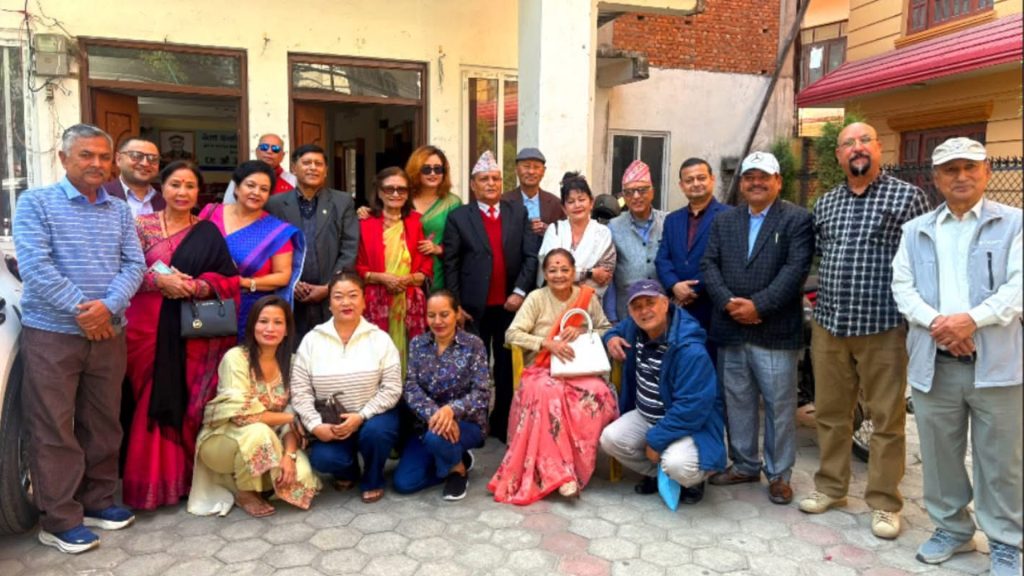
On the occasion, literary figure Radheshyam Lekhali recited three of Karki’s muktaks (short poetic compositions). Singer Ritu Kandel performed the song “Jun Nidauna Thalechha,” while singer Geeta Pandey presented “Mayalule Ke Bhanyo.”
In her presidential remarks, actress Mithila Sharma described Karki as a patriotic, humble and multi-talented personality who dedicated his life not to personal interests but to the welfare of the nation and society.
The programme began with a one-minute silence in memory of Karki. Society vice-president Mohan Niraula delivered the welcome address, highlighting Karki’s life and legacy. Journalist Suman Bairagi Pandit facilitated the programme, which witnessed the notable participation of artists, writers, journalists and creative professionals from various fields.
Chetan Karki remains one of Nepal’s most respected creative personalities, remembered for his remarkable contributions as a lyricist, writer, cultural scholar and film director. He created hundreds of evergreen Nepali songs, including “Bainiko Daya Chha Bhane Rodighar Dai Nachyo Nabhaney” and the iconic Teej song “Teejko Rahar Aayo Barilai.”
His invaluable contributions to Nepali literature, music, culture and cinema will remain an enduring part of the nation’s artistic heritage.