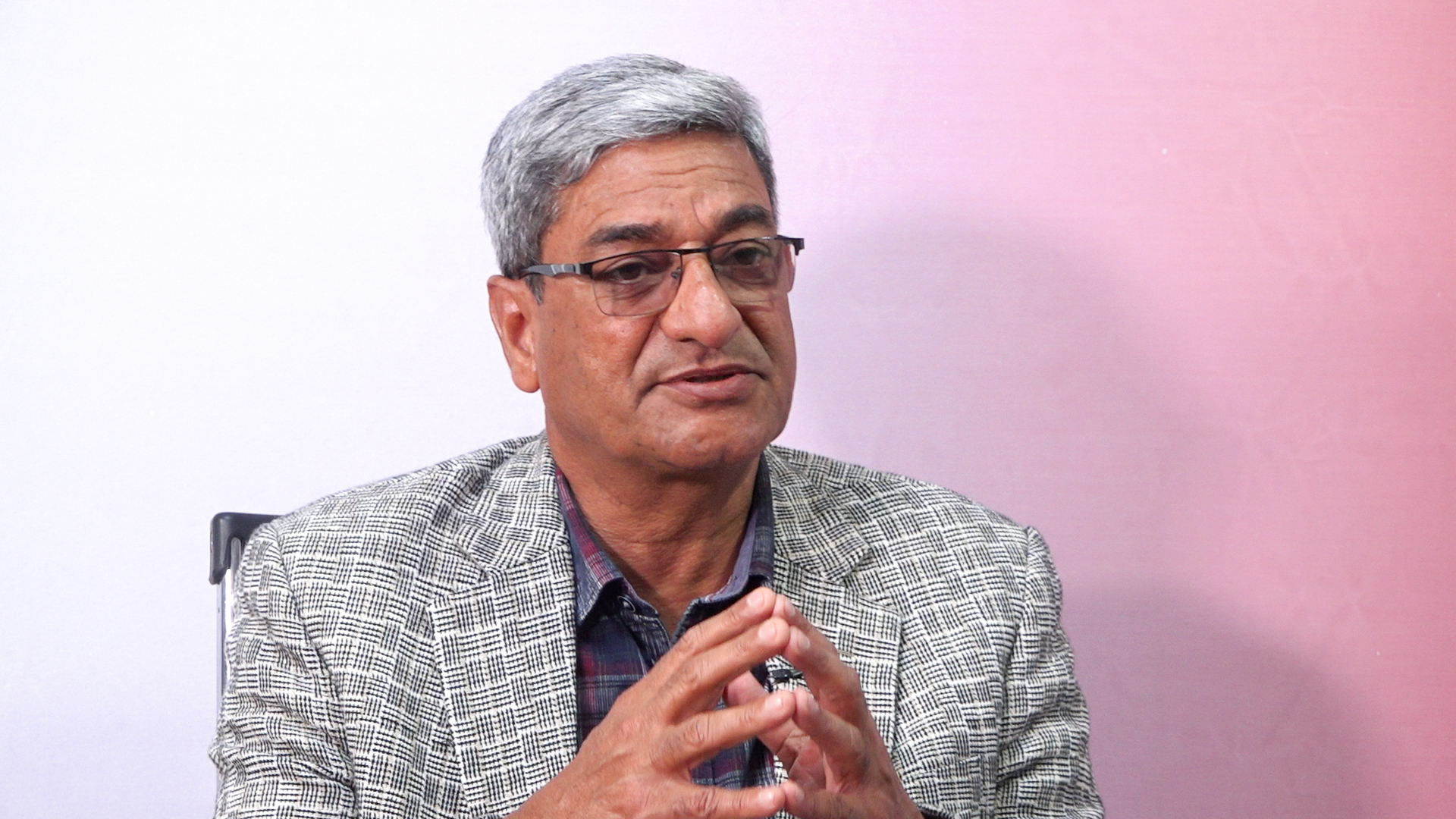




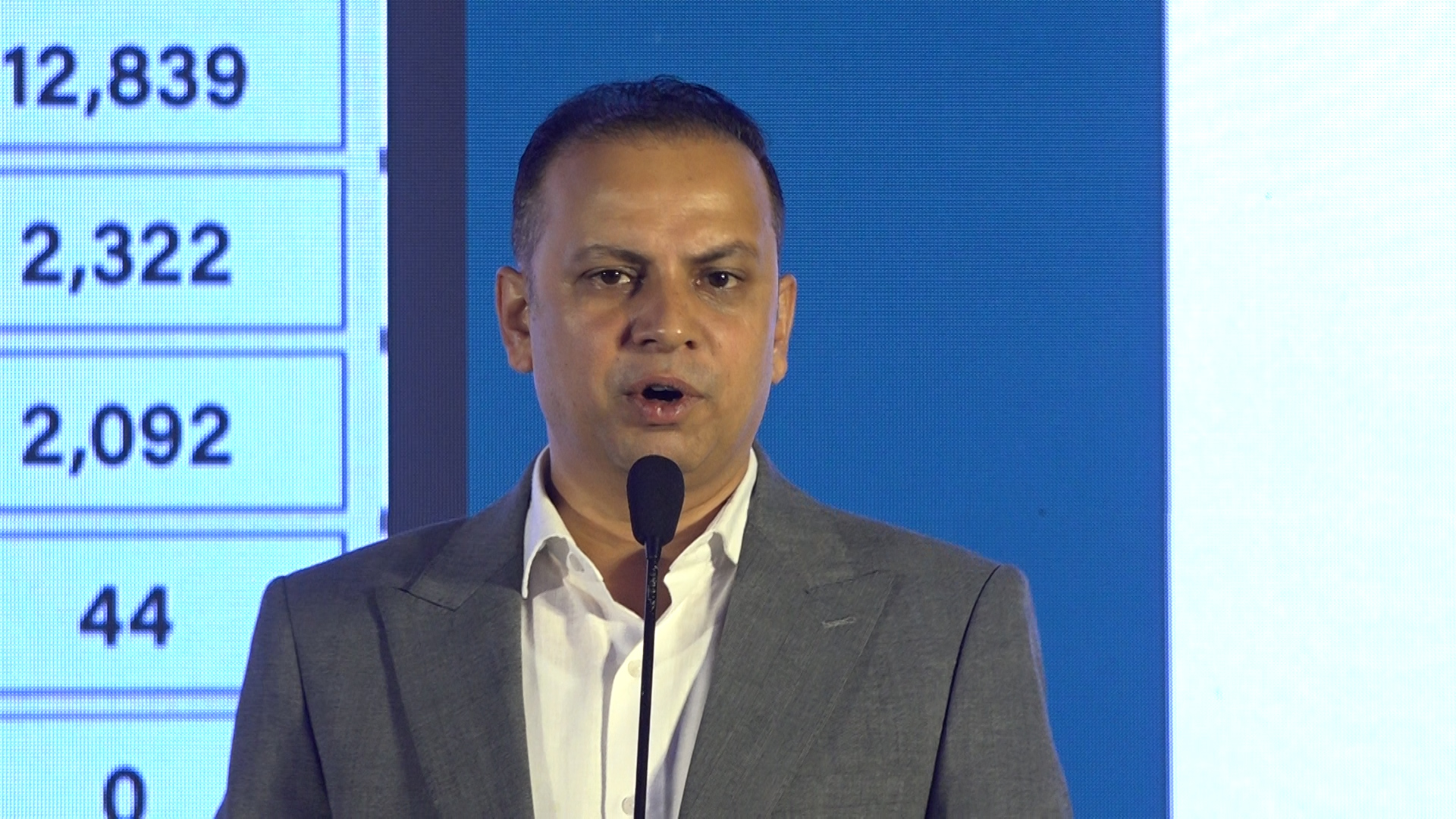
Kathmandu. Former President of the Nepalese Educational Consultancy Association (ECAN), Shesh Raj Bhattarai, has said that the education consultancy sector should not be viewed merely as a business of sending students abroad.
Speaking at a policy dialogue organized by ECAN on Sunday, Bhattarai said the institutional significance of ECAN can only be understood by examining Nepal’s education mobility and its evolution over the years.

“Many people think ECAN is simply an organization of those who send students abroad. But to understand its institutional significance, we need to understand Nepal’s education mobility and its evolution,” he said.
According to Bhattarai, India was once the natural and almost inevitable educational destination for Nepali students. However, Nepali students are now pursuing education in major destinations around the world, including Australia, the United Kingdom, the United States, Canada, Japan and South Korea.

He said the expansion of educational destinations should not be understood merely as a growing trend of studying abroad. Rather, it reflects changes in the aspirations of Nepali society and the growing desire to seek knowledge, skills, international exposure, professional opportunities and new possibilities beyond the limitations of local opportunities.
Bhattarai said the emergence of the education consultancy sector in Nepal, and particularly the establishment of ECAN, was an institutional response to this broader structural transformation.

He described it not simply as the emergence of a business providing counselling for overseas study, but as the creation of an institutional interface connecting Nepal with the global education system.
Bhattarai said the growth of international education in Nepal has itself become an important social phenomenon. According to him, international education is developing into an influential ecosystem linked to capital formation, economic mobility, global exposure and Nepal’s engagement with the international community.
He also said ECAN’s Educlave initiative has continued to promote discussions on education and mobility.
“The objective of Educlave was never to bring everyone to the same conclusion; it was to raise the right questions,” he said. “The success of meaningful dialogue does not always depend on reaching a conclusion. Sometimes, a single right question can challenge certainties established over years and change the direction of a debate.”
He said previous editions of Educlave had timely discussions on issues including the knowledge economy, “Study in Nepal,” and the changing aspirations and political psychology of Generation Z.
Speaking at the event, Rastriya Swatantra Party lawmaker Manish Jha said Nepal has a long history of foreign employment and that employment opportunities abroad should be viewed as opportunities.
Referring to the historical example of Arniko’s journey to China, Jha said Nepal’s first form of foreign employment could be traced back around 600 years, when Arniko went to China and contributed to the construction of major statues.
He said Nepal has traditionally viewed foreign employment more as a curse than an opportunity, while many countries around the world have utilized overseas employment and international opportunities as tools for national development.
“Looking at the history of many countries, they developed by utilizing opportunities for foreign employment. They treated those opportunities as a means of building their nations,” Jha said.
Former minister Surendra Pandey, Prof. Dr. Kusum Shakya and other speakers also shared their views on the current state and challenges of Nepal’s education consultancy sector.